.svg)
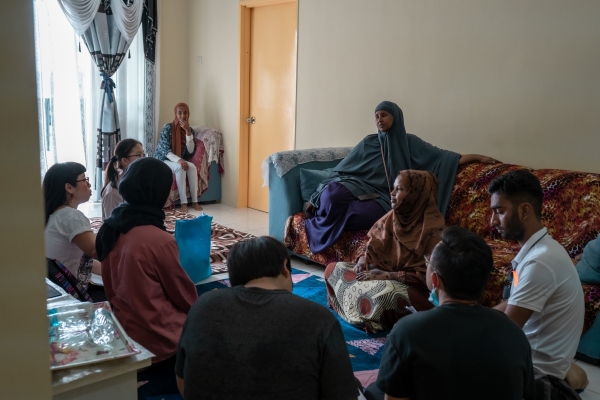

Comfortable, clean & saves money.
- Asha
It's good. Much more comfortable, I will try using it next period.
- Fadumo
It will be much better than the usual clothes that I usually use.
- Fardus





In collaboration with various non-governmental organizations, Taylor's Residence launched the LaunchPad Project - a student-led initiative under our structured living program. The goal: to eliminate period poverty among female refugees in Malaysia by providing access to reusable sanitary pads, along with menstrual hygiene and sex education.
Malaysia is home to approximately 170,000 refugees and asylum seekers, with women making up about 32% (over 60,000 individuals). For these communities, reusable sanitary pads offer a cost-effective and sustainable solution, helping to ease the financial burden of disposable products in already vulnerable living conditions.
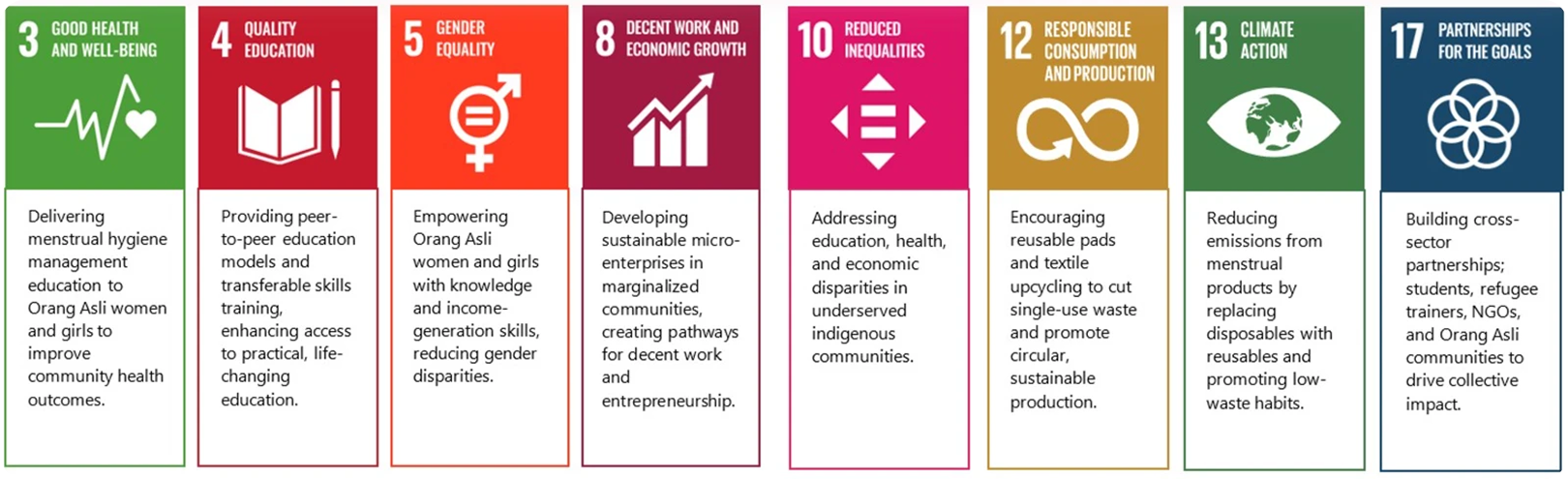
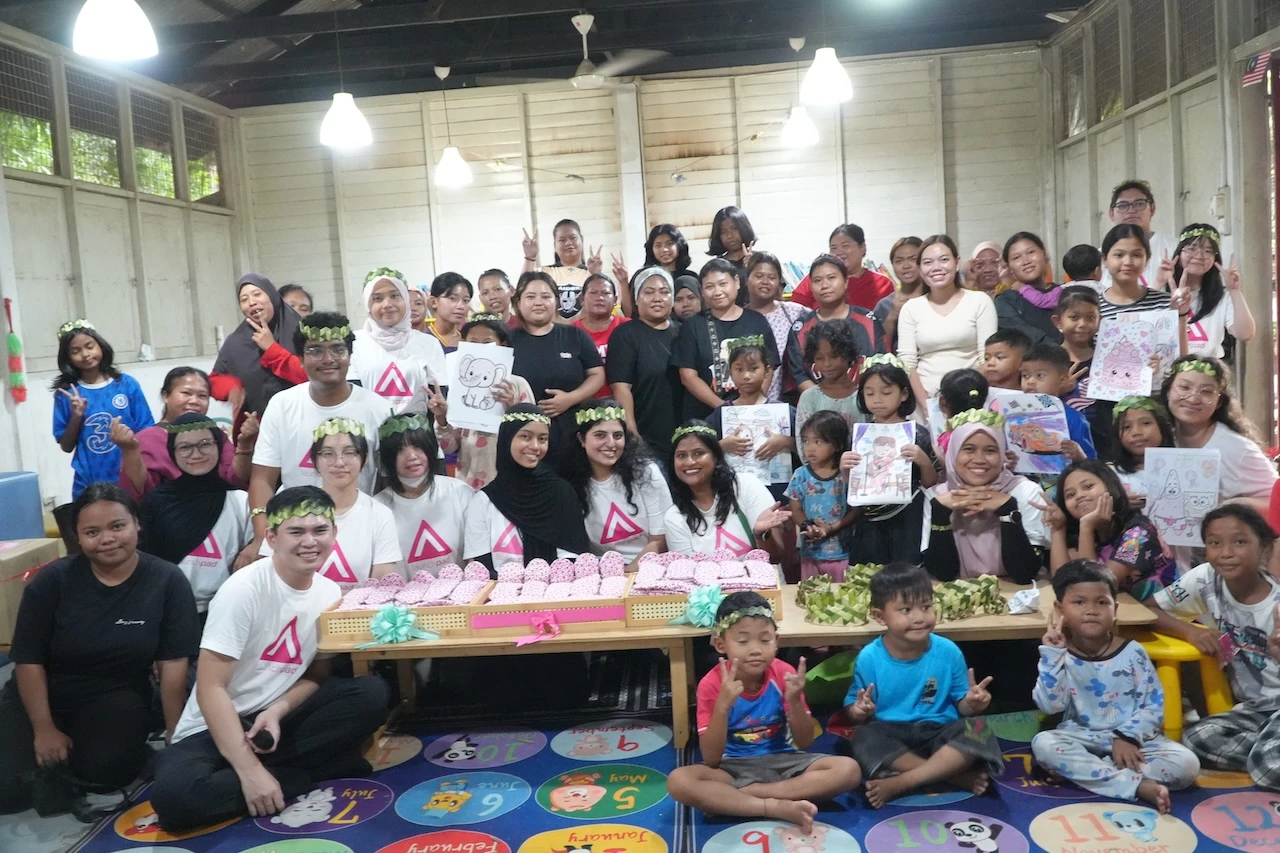
In 2025, LaunchPad entered a new phase - LaunchPad 2.0. While our original mission supported Rohingya refugee women, LaunchPad 2.0 expands our impact to Orang Asli communities in Malaysia, where period poverty continues to be a silent struggle. This new phase focuses on access to menstrual hygiene, culturally sensitive education, and empowering local champions to drive long-term change. Our pilot project begins in Kampung Serendah, Ulu Selangor, with a focus on sustainable outreach, skills-building, and dignity restoration.
As UNICEF reports, "Refugee and stateless girls are especially at risk of poor menstrual hygiene due to lack of access to clean water, privacy, and sanitary products" (2022). These challenges similarly affect Orang Asli communities, making LaunchPad 2.0 a crucial extension of our mission.
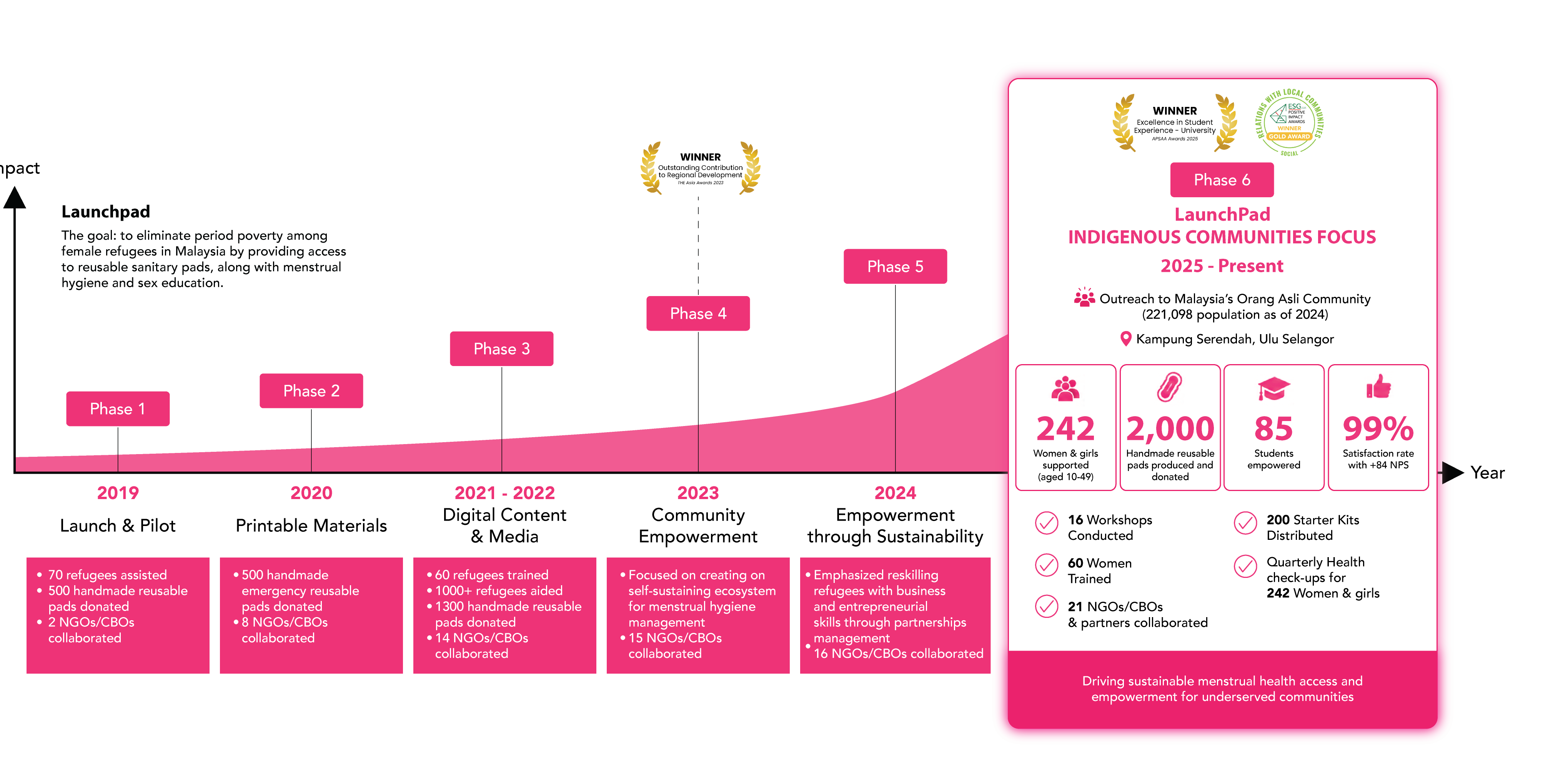
We have rolled out LaunchPad in six distinct phases, each building upon the successes and learnings of the previous stage to continuously improve and expand its impact.
.jpg)


.avif)
X
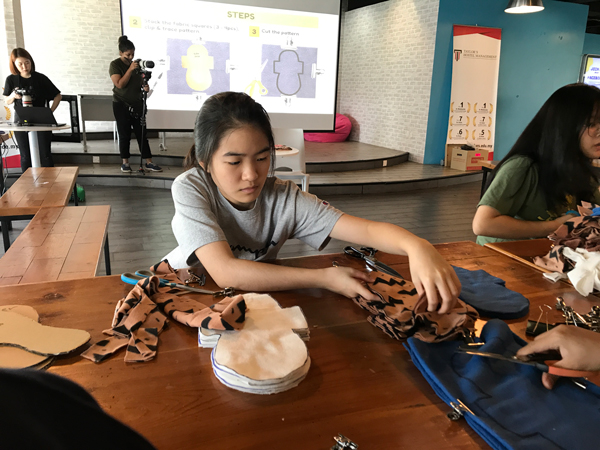
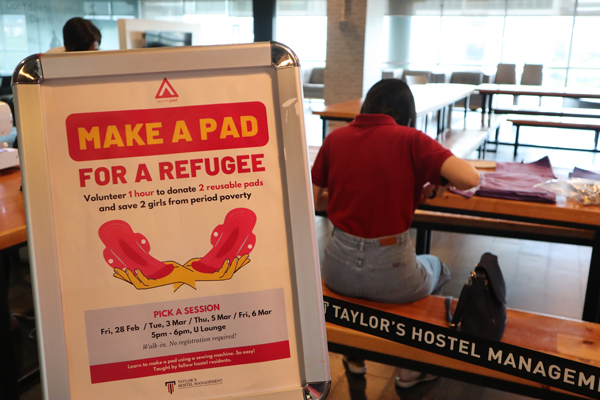
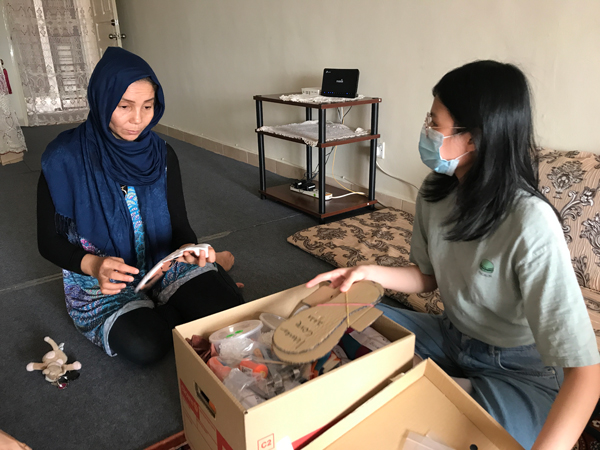
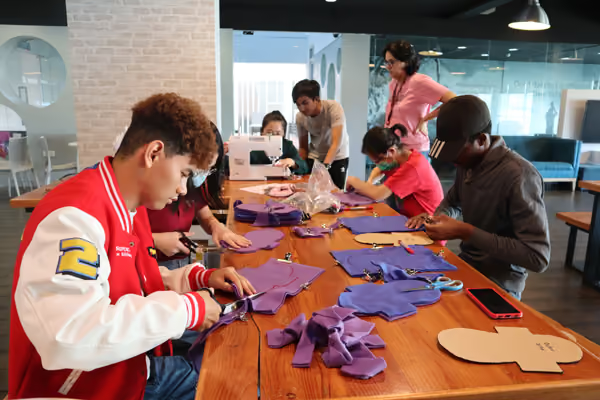
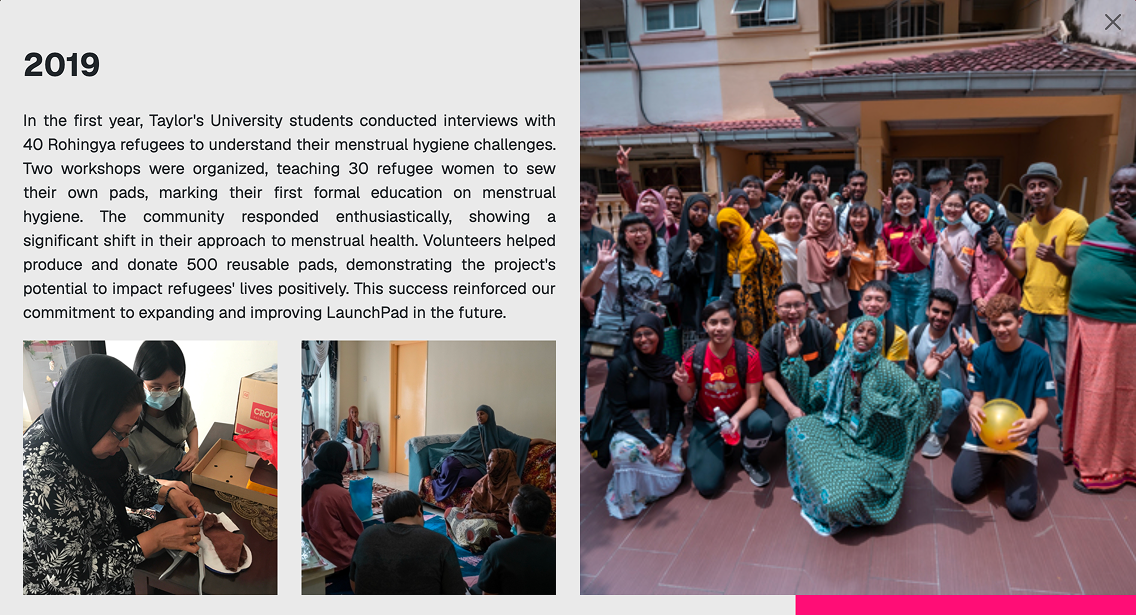
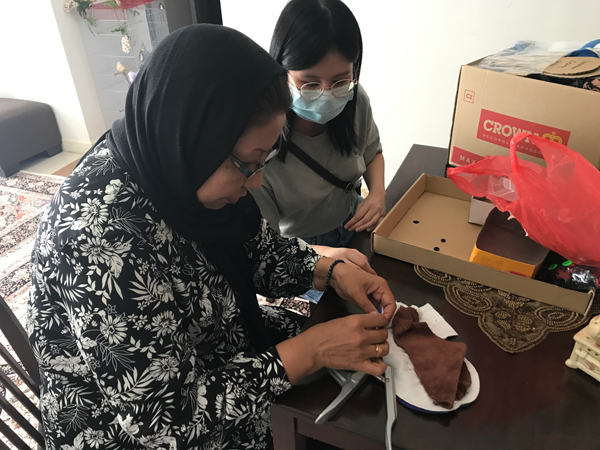
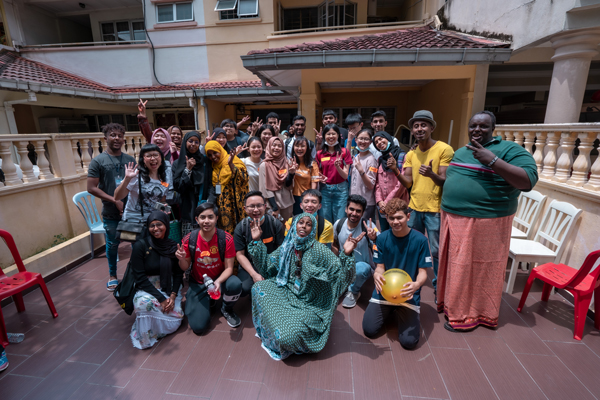
In the first year, Taylor's University students conducted interviews with 40 Rohingya refugees to understand their menstrual hygiene challenges. Two workshops were organized, teaching 30 refugee women to sew their own pads, marking their first formal education on menstrual hygiene. The community responded enthusiastically, showing a significant shift in their approach to menstrual health. Volunteers helped produce and donate 500 reusable pads, demonstrating the project's potential to impact refugees' lives positively. This success reinforced our commitment to expanding and improving LaunchPad in the future.
X
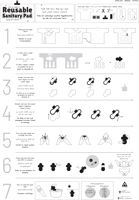
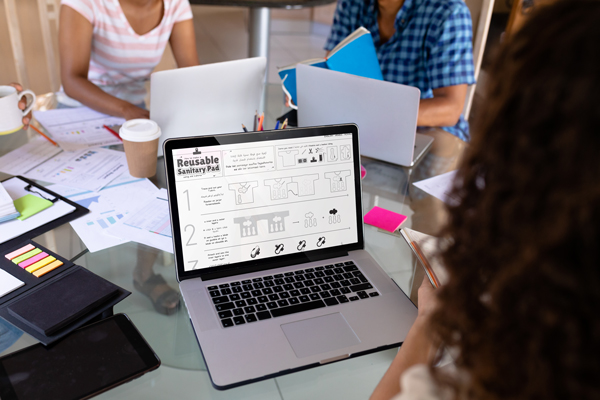
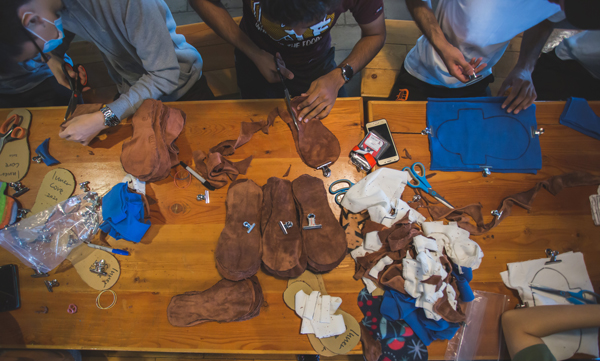
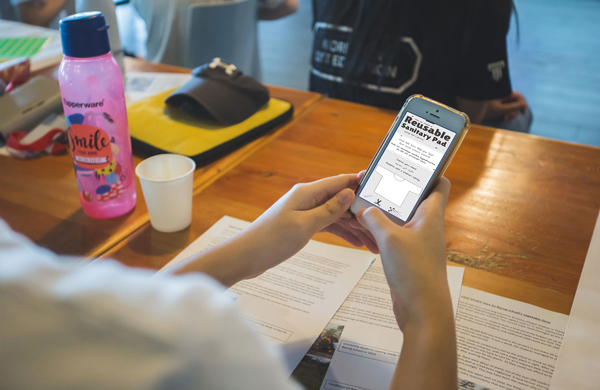
Our online pad-making tutorials, available in seven languages, empowered over 1000 refugees to craft reusable pads, enhancing their health and well-being. Additionally, we donated 1300 reusable pads to provide immediate relief. These efforts reshaped community perceptions about menstrual health and provided essential education on reproductive health.
Phase 3's success highlighted the LaunchPad team's resilience and adaptability in fostering sustainable solutions and empowering refugee communities. By bridging technological innovation with community needs, the project continues to make a tangible difference in the lives of refugees, promoting dignity, health, and self-reliance.
X
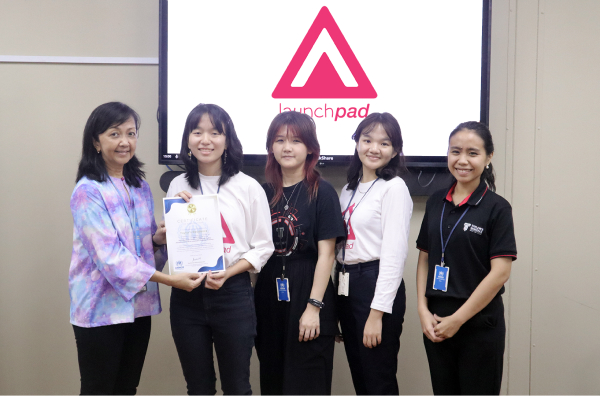
This year, we expanded our collaborations; at the core of our approach is a strong partnership with Kloth Care, a women-led social organization that specializes in textile recycling, and the United Nations High Commissioner for Refugees (UNHCR). Kloth Care, with its global impact, provides essential cloth materials, while UNHCR facilitates training and integrates refugees into our program, significantly enhancing our reach and impact.
Our goal is to build entrepreneurial mindsets in refugees and provide them with the skills necessary to produce revenue through long-term business initiatives.
X
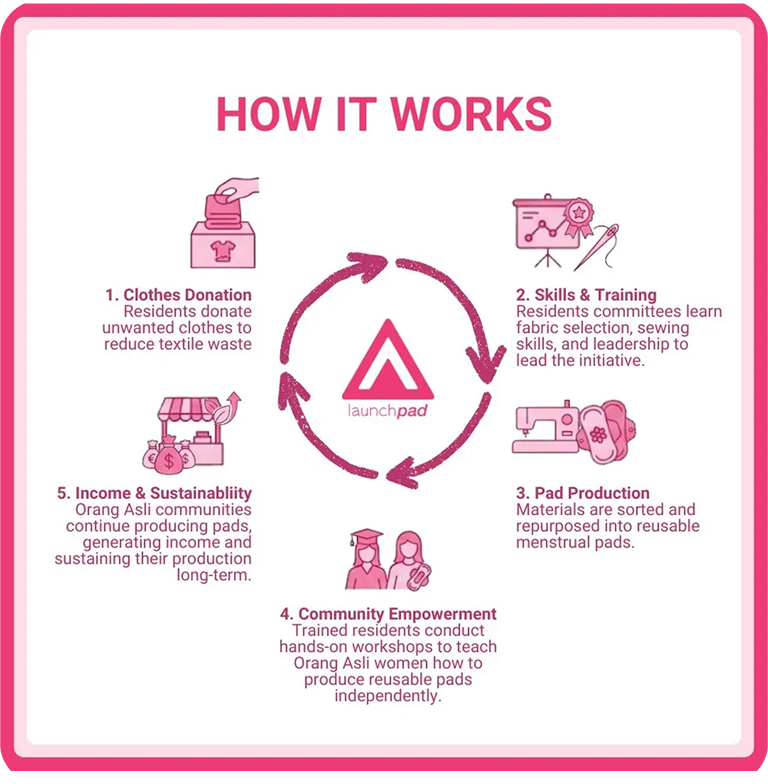
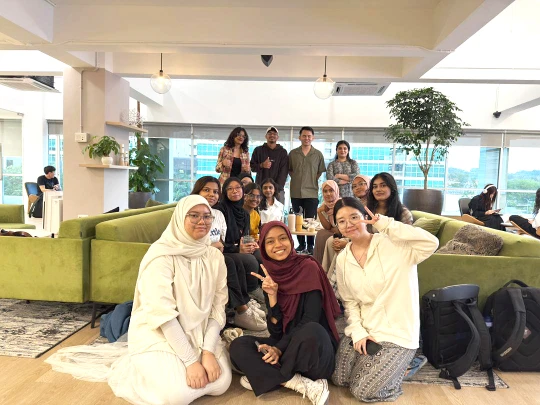
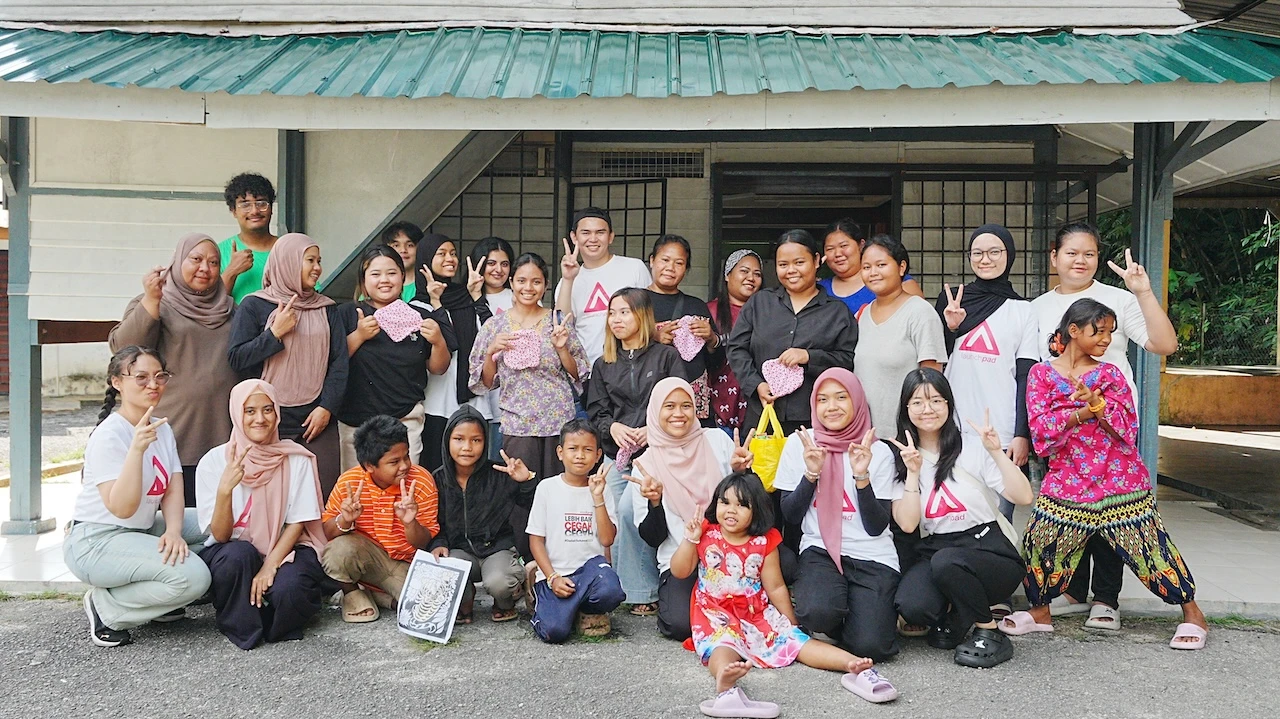
The Student Catalyst: We empowered 15 student trainers with deep technical and cultural competency. Rather than staff-led delivery, these students became the face of the project, fostering a peer-to-peer learning environment with the Orang Asli mothers.
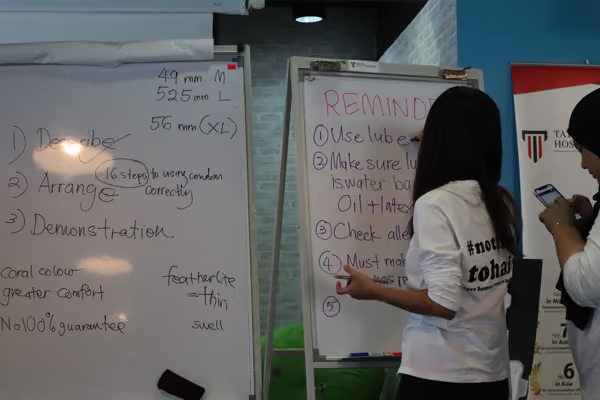
Knowledge Impartation: Through 5 intensive workshops, these student trainers successfully taught the OA mothers the intricacies of pad-making, transitioning them from recipients of aid to producers of their own hygiene solutions. The Feedback Loop: To validate our progress, we initiated a cross-community trial. By collecting data from students, staff, and OA mothers, we identifed the need for size expansion, ensuring our 2026 output was a direct result of collaborative co-creation.
X
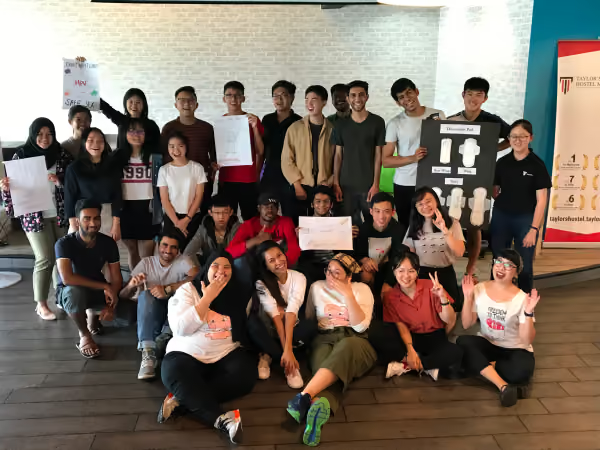
On 5 July 2025, LaunchPad 2.0 officially launched with a powerful Call-to-Action Day, where students gathered to explore period poverty, safe-sex education, and join the movement as volunteers. This event marked the first step of Phase 6, setting the foundation for the impact journey ahead.
X
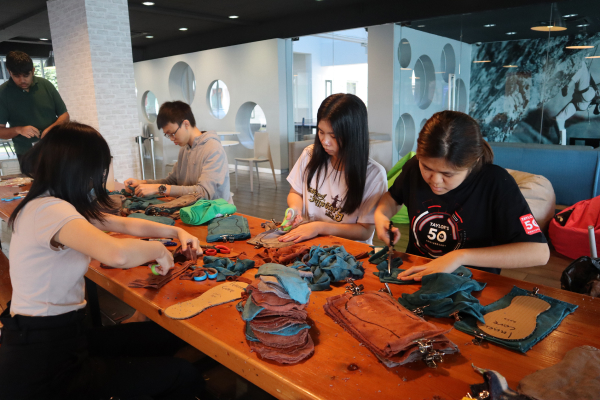
Collaboration with NGOs and organizations strengthened our impact, leveraging expertise and resources to scale initiatives. This approach addressed immediate needs and laid the groundwork for sustainable development and lasting empowerment. As refugees gained proficiency in managing menstrual hygiene, they improved health outcomes and acquired valuable skills, enhancing their resilience and self-reliance. The 2023 phase of LaunchPad highlighted the transformative potential of community-driven initiatives, emphasizing education, accessibility, and collaboration to empower refugee communities globally.
X
The COVID-19 pandemic and lockdowns in 2020 challenged LaunchPad's in-person workshops. In response, the team developed a multilingual printable tutorial to continue teaching menstrual hygiene and pad-making.Taylor's Residence students, collaborating with six nonprofits, researched effective support methods, resulting in a widely distributed seven-language tutorial and starter kit. Additionally, students handmade and donated 500 emergency reusable pads to refugees. These efforts ensured LaunchPad's mission continued despite the pandemic. The successful adaptation highlighted the team's resilience, commitment, and innovative approach to supporting vulnerable populations during crisis.